

Knwl.js is a Natural Language Processor built with JavaScript, put simply, Knwl.js scans through text, user data, or just about anything for data of interest, phone numbers, dates, locations, emails, times, and more. Even check if the string may be spam, or get the overall emotion.
Best jQuery Web Plugins & Tutorials with Demo
jQuery Stickypage plugin
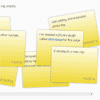
jQuery plugin to display a page with chronological sticky tags.
Features:
- Sticky tag can be positioned anywhere you want them to be (x,y,rotation). x, y are percentage within the canvas area (not pixel)
- Responsive
- User can use scrollbar to reveal sticky tags that are buried beneath the others.


Facebook Style Search Friends using jQuery

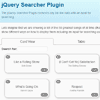
In this tutorial I have used jQuery to search friends like facebook style. With just a few lines of jQuery code and a small text input box you can add a search members / users / friends to any web projects.Previously I published the tutorial like live text search using jQuery.
Also I have used javascript RegExp function to performs case insensitive search.
The jQuery code for this trick is really easy and all we are doing is basically getting the input text value from the search box & checking that value against our list of friends in the “friendslist” div and showing those friends matches the searched keyword. The count of the number of matched friends is then displayed in our “result_area” div tag.
BrowserBlast : Displaying a friendly warning on Unsupported Browsers

BrowserBlast is a lightweight and fully customisable script to display a warning for users of IE7 and below to let them know their browser isn’t supported anymore.
To make the previous browserBlast even faster and more reliable, it’s been rebuilt entirely in JS, without needing to rely on jQuery. Using Microsofts recommended methods it ensures rock solid IE detection.
Clingy Footer : jQuery plugin to lock a fluid height footer
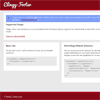
Clingy Footer is a small, simple jQuery plugin designed to lock a fluid height footer to the bottom of the browser viewport.
jQuery plugin that takes the height of the footer, and assigns the same value to the padding-bottom of the page content container. It’s essentially the same technique as most CSS solutions, but done using jQuery.


